 by |
| September 26, 2025 | |
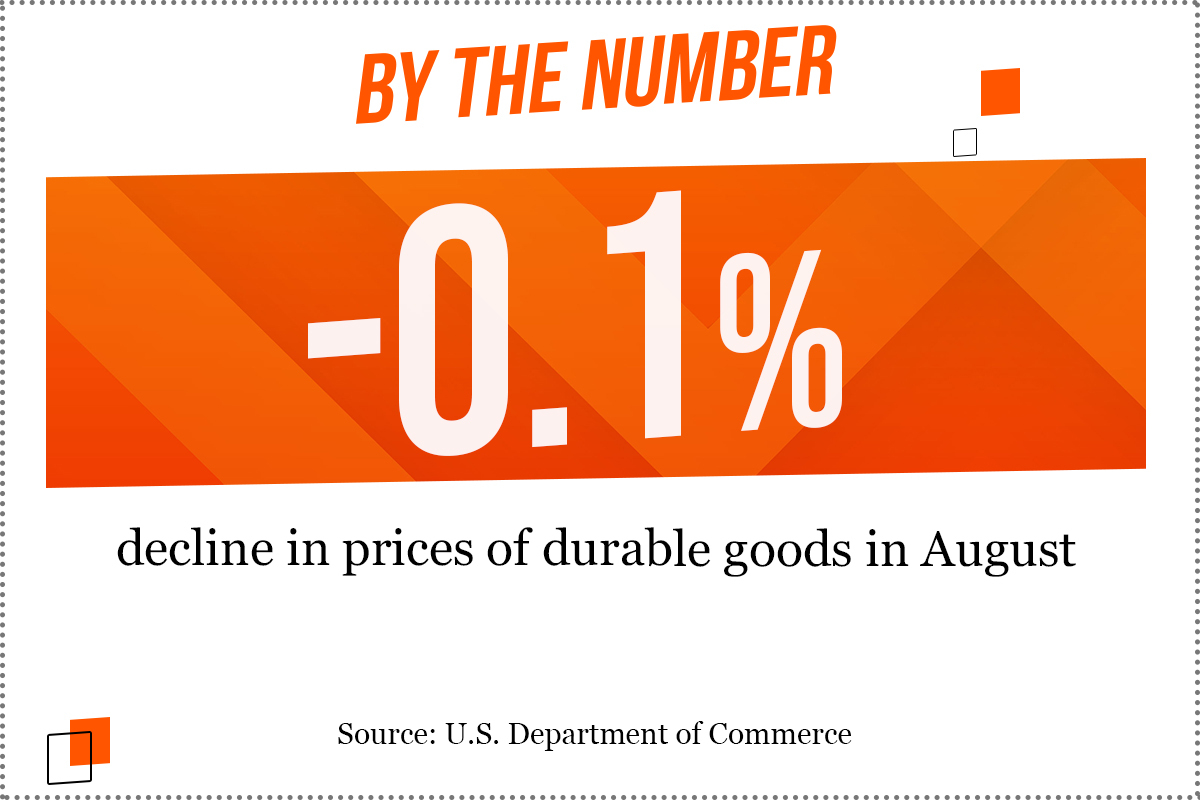
Tarifflation Is Not Just MIA: Tariffs Are Reducing Prices The Department of Commerce released the latest edition of the personal consumption expenditure price index on Friday. It showed that inflation remains stubbornly above the Fed's two percent target but not because of tariffs. For the second month in a row, the prices of durable goods—those most likely to be influenced by tariffs—fell. Importantly, this decline is not coming from a lack of demand for durable goods. Things are not falling in price because people aren't buying them. Real consumer spending—that is, after adjusting for inflation—on durable goods rose by 0.9 percent. People are buying more durable goods at cheaper prices.
This is absolutely devastating to the idea that tariffs are a tax on consumers. Even more devastating to that claim, however, is the evidence from a tariff tracker of prices. The tariff tracker, which is run out of the Pricing Lab at Harvard Business School, shows that since Liberation Day when tariffs were announced, the prices of imported goods in tariff-affected categories are up by less (just 1.13 percent) than domestically produced goods in unaffected categories (up by 1.25 percent). In other words, the stuff directly subject to tariffs has risen by less than the prices of stuff not even indirectly subject to tariffs. If we annualize the gains, tariffed imports are up 2.41 percent and non-tariff affected domestic goods are up 2.76 percent. But wait. There's more. Or less, really. The prices of domestically produced goods in categories affected by tariffs—that is, U.S. made goods competing with imports—are down 0.67 percent since Liberation Day. That works out to an annualized decline of 1.42 percent. If this sort of thing keeps happening, we would not be surprised to see Harvard just shut down the tracker. It's too embarrassing for the tariff-hating establishment. Democrats Are Sliding into Oblivion on the Economy The latest poll numbers from Reuters/Ipsos show that while the public is not exactly enthusiastic about Republican leadership on the economy, the GOP is far ahead of Democrats. Thirty-four percent of American adults say Republicans have a better plan for the economy, which is stellar. But just 24 percent say Democrats have a better plan. In a two-party system, that's the kind of lead that wins elections. We suspect one reason for the advantage is that no one knows what the Democrat plan for the economy might be. And that includes the leadership of the Democratic Party. They certainly have made it clear that they oppose Trump and the Republican tax cut bill, but they have not articulated a positive vision for the economy. Even more, they haven't really articulated even their negative vision. Would they repeal Trump's tariffs? Would they raise taxes on retirees or people with tipped income? How exactly do they plan to bring down, say, electricity or healthcare prices? The inescapable conclusion is that they either do not have a vision to articulate or know their vision would be so unpopular that they have to keep it quiet. So, publicly, it's just fear and loathing all the way down. Not surprisingly, the American public is not enthusiastic about this as a plan for the economy.
|


No comments:
Post a Comment