Showing posts with label Dodd-Frank. Show all posts

Saturday, March 17, 2018

Dodd-Frank Regulatory Reforms, and Ongoing Burdens to the States


I am glad to hear that regulatory reform and rescission of costly banking burdens are getting some rollback.

Dodd-Frank reform legislation passed earlier this week.

What did the Heritage Foundation have to say about it, though?

There is good in the latest reform:
  • Limited regulatory off-ramp for some banks with less than $10 billion in total assets. This provision, known as a community bank leverage ratio, would exempt certain small banks from the risk-weighted capital requirements first imposed in the 1980s.
  • Safe harbor for ability to repay rules. Under Dodd-Frank, only mortgages that meet a certain set of requirements (qualified mortgages) automatically meet the ability to repay standard (have a safe harbor). The Senate bill provides a qualified mortgage safe harbor for banks with less than $10 billion in total assets that hold mortgages on their books rather than sell them into the secondary market (where they are packaged into mortgage-backed securities by companies such as Fannie Mae and Freddie Mac).
  • Stress testing relief. The Senate bill would decrease the number of scenarios—from three to two—that must be included in both Fed-conducted and company-conducted stress tests, and also changes the frequency for company-run tests, from “annual” to “periodic.”
  • Volcker Rule relief. The Volcker rule ostensibly prohibits banks from what is called “proprietary trading”—trading for their own accounts rather than on behalf of clients. 2155 provides an exemption from this rule for banks with assets less than $10 billion and with total trading assets and liabilities not exceeding more than 5 percent of their total assets.
  • Higher SIFI threshold. Under Dodd-Frank, banks with $50 billion or more in assets are subjected to enhanced supervision and regulatory standards on the theory that their failure would cause widespread economic harm. These banks are commonly referred to as systemically important financial institutions, or SIFIs. Section 401 of the Senate bill would raise that threshold to $250 billion, but with several major caveats.

The reforms proferred and the rollbacks enacted are OK.

But there is much to be desired.

The legislation does not get rid of the misnamed Consumer Financial Protections Bureau, for starters. How about allowing more free enterprise and competition to challenge and undo the bad banking practices? FDIC regulations are making it all too easy for banks to overleverage their assets, too.

Banking is a risky business for consumers largely because of fractional reserve banking. These institutions ultimately create money when they lend out funding for other projects, yet the actual cash stock is not in the bank to begin with. How can Congress regulate this problem?

What are the consequences for doing so?

Can Congress achieve lasting reforms on more pertinent issues, too, like immigration and national security? What about the national debt and the entitlement strains which are dead-set to bankrupt this country?

Friday, June 9, 2017

Berniecrats Gone Wild: "They Rolled Back Dodd-Frank!

The Bernie phalanx is going nuts.


Dodd-Frank faces comprehensive repeal. How much more fun can it get?

And to see the leftists are losing their mind.

Let's hope they see the light. More Millennials are getting confronted on the many issues which they have fallen for.

Our Revolution

Arthur Christopher,

While most of the country wasn't looking, House Republicans voted to claw back virtually every banking regulation implemented after Wall Street crashed and the Great Recession began. With so much scrutiny on the White House, Senate Republicans are now poised to roll back Dodd-Frank and the Affordable Care Act in the same month. Mitch McConnell, Paul Ryan, and every other politician bought by Wall Street and corporate donors thinks that they can get away with this while we're distracted by the daily circus in the West Wing.

We haven't forgotten what Wall Street deregulation got us last time. A reeling housing crisis, millions of people's life savings wiped out, and 800,000 jobs lost every month by the time George W. Bush left office. We remember Occupy, and the reprieve that the most egregious offenders got from going to prison. Executives at the largest financial firms who gambled people's hard-earned life savings away were treated less harshly than the people actually paying their mortgage.

We need to break the big banks up and implement a modern day version of Glass-Steagall, but we have to stop Republicans from rolling back even more Wall Street regulations first. Will you join our fight to protect Main Street from Wall Street greed? Sign our petition to tell Congress: Stop the Wall Street assault on working families.

The Financial CHOICE Act wipes out the Dodd-Frank law signed in 2010, putting the Consumer Financial Protection Bureau in Donald Trump's control. That's right, the department charged with protecting consumers will be under the control of a person who has spent his entire life ripping people off. The biggest banks that were considered “too big to fail” at the time of the Recession are even bigger now, and virtually all new income is going to the top one percent. Giving Wall Street another break isn't solving the crisis of income and wealth inequality.

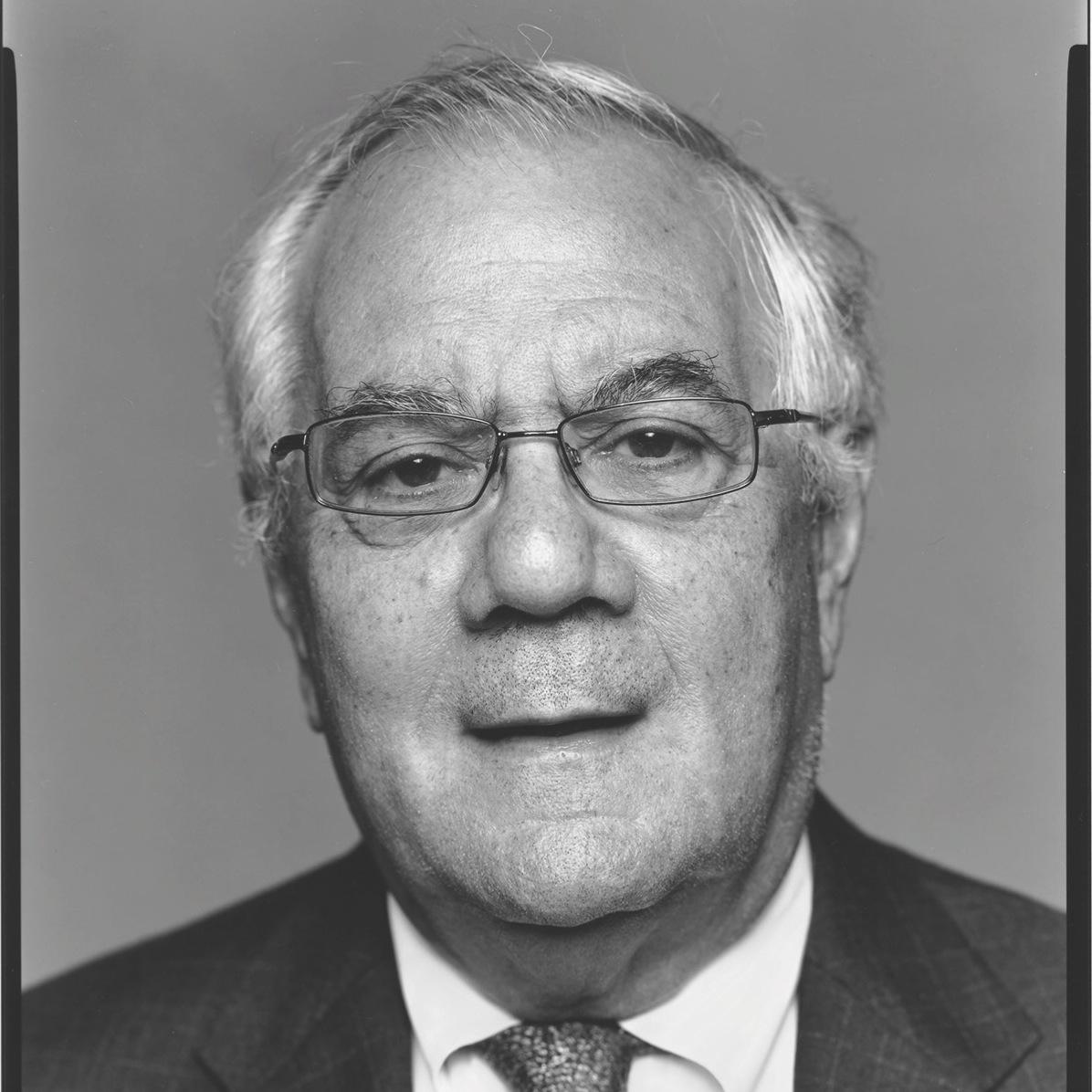
Bwaney Fwank, Shill for Big Business


While Paul Ryan and the House were stripping essential banking protections, voters in the United Kingdom rejected the Conservative government and their cabal of bankers and billionaires, and embraced Jeremy Corbyn and the Labour Party's reinvigorated progressive movement. People across the world are ready for a movement that takes on the greed of the few, and works on behalf of the many.

Glass-Steagall is part of the solution, but it doesn't solve the entire problem. We've still got so much work left ahead, like overturning Citizens United to get Wall Street and special interest money out of politics. Nobody could have prepared for the daily assaults on our health care, housing, environment, and civil rights since Trump took office, but organizing as many people as we can is the only shot we have at fighting back against the greed he serves. Stand with us as we take on Wall Street and the special interests that Congress represents. Sign our petition to let Congress know we won't let Wall Street take us back into another recession.

We will see economic justice be done in this country, with an economy that works for all. Thank you for joining us.
In solidarity,
Shannon Jackson
Executive Director
Our Revolution